
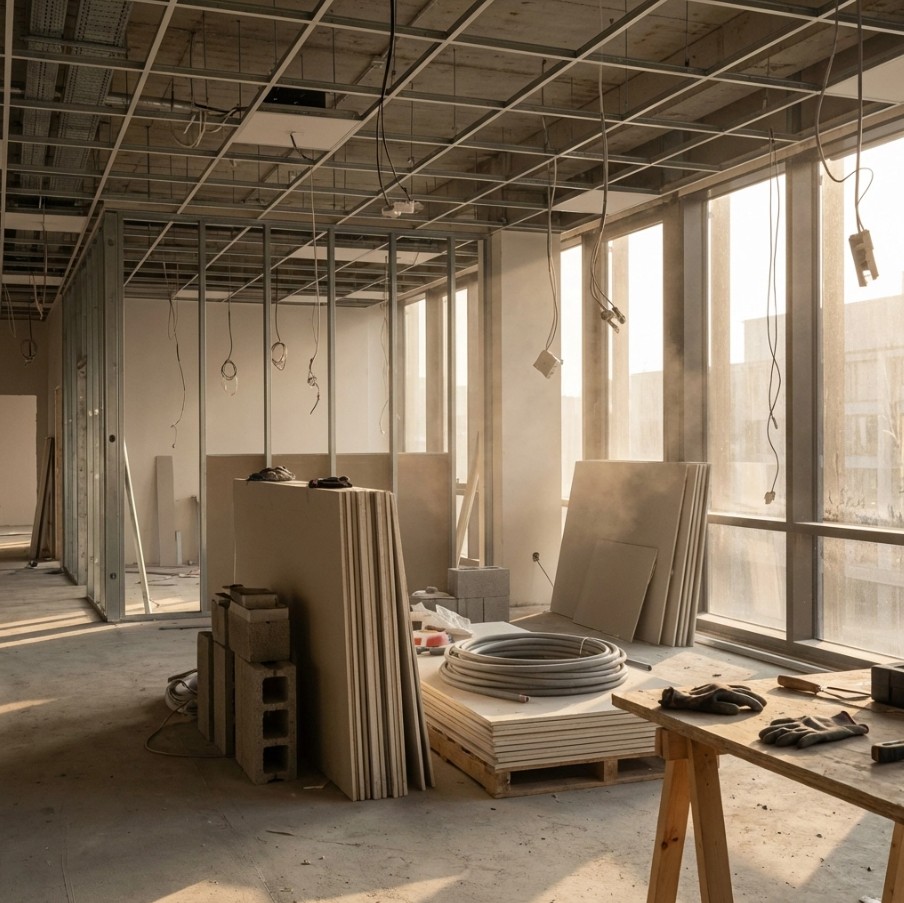
Make-Good Clauses in Commercial Leases (Adelaide): A Practical Guide
Make-Good Clauses in Commercial Leases (Adelaide): A Practical Guide
If you're leasing commercial property in Adelaide, whether as a tenant or landlord, there's one clause that causes more friction than almost any other: the make-good clause.
It sounds straightforward enough. When your lease ends, you return the property in an agreed condition. But the reality? Make-good obligations are one of the most commonly disputed provisions in commercial leases across South Australia. Tenants get caught out by unexpected costs. Landlords receive properties back in poor condition and both parties can end up in frustrating negotiations or mediations that could have been avoided.
This guide breaks down how make-good clauses work in Adelaide commercial leases, what to negotiate upfront, and how to reduce risk on both sides.
What Is a Make-Good Clause?
A make good (or reinstatement) clause sets out the condition a tenant must leave a commercial property in when the lease expires or terminates early. In simple terms: it defines your end-of-lease obligations.
The specific requirements vary depending on how your lease is drafted. But most make-good clauses in Adelaide commercial leases fall into one of these categories:
| Make-Good Standard | What It Means |
|---|---|
| Return to original condition | Remove all tenant fit-out and restore the property to its condition at lease commencement |
| Base build / bare shell | Strip back to bare shell and remove fit out |
| Fair wear and tear | Return in reasonable condition, accounting for normal use and fair wear |
| As-is with specific exclusions | Leave the fit-out in place, but repair nominated items or damage |
The difference between these standards can mean tens of thousands of dollars in end-of-lease costs. That's why understanding and negotiating your make-good requirements before signing is so important.
Why Make-Good Disputes Happen
Most make good disputes come down to two problems:
- Vague lease wording : Generic clauses get included without anyone thinking through what they actually mean in practice.
- No baseline evidence : Without a proper condition report at the start, there's no objective way to compare the property's condition at lease end.
Both issues are avoidable with a bit of planning upfront.
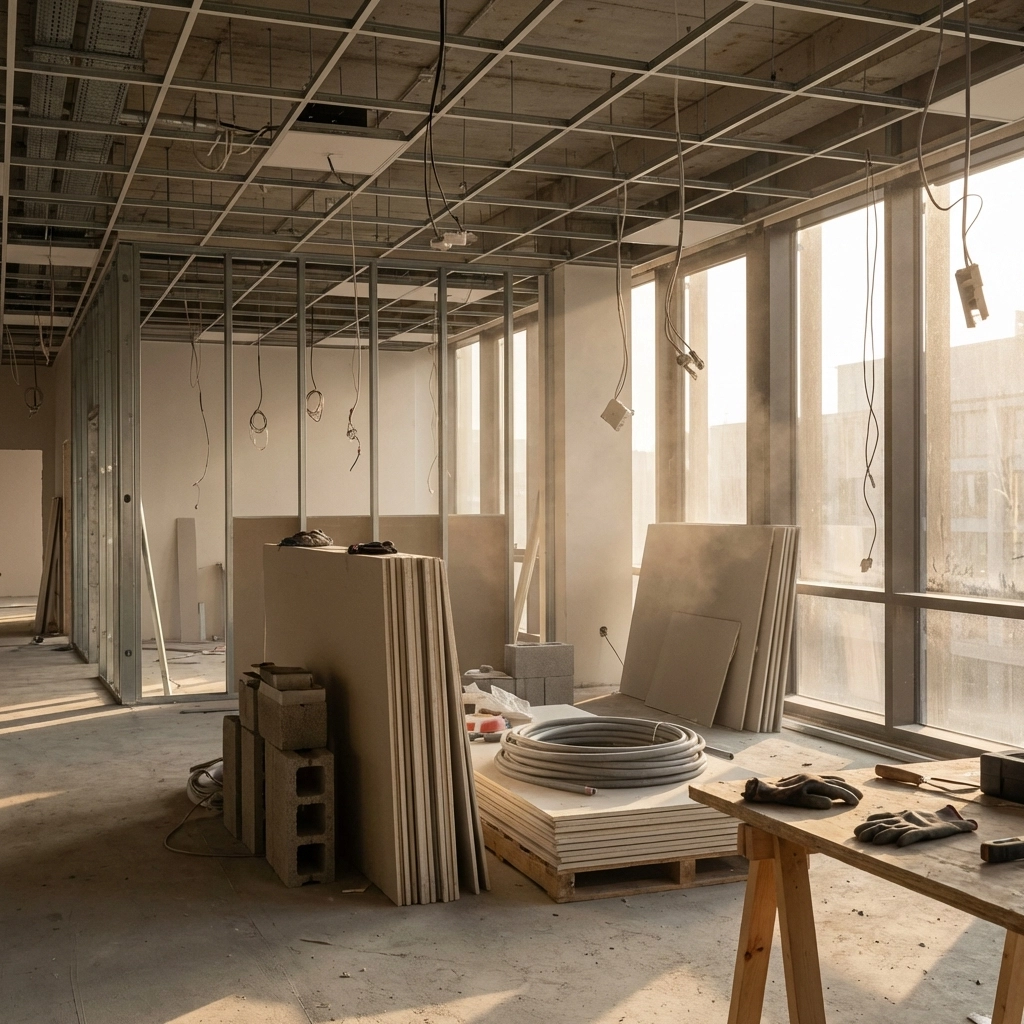
Key Elements of a Make-Good Clause
When reviewing a commercial lease in Adelaide, look for these components in the make-good provisions:
1. The Reinstatement Standard
What condition must you return the property to? Original condition/Base build/ Something else?
If the lease says "original condition," make sure there's a condition report to prove what that actually looked like.
2. Fit-Out Removal Requirements
Does the tenant need to remove all fixtures and fit-out improvements? Or can certain elements stay (e.g., air conditioning upgrades, partitioning, kitchen facilities)?
This is negotiable. If a landlord is likely to benefit from your fit-out, it may be worth proposing that specific items remain.
3. Repairs and Repainting
Beyond removing fit-out, most clauses require tenants to repair damage and repaint the premises (usually two coats of paint)
4. Timing and Access
When must make-good works be completed? Before the lease expires, or is there a grace period?
5. Cash-in-Lieu Option
Some leases allow the landlord to accept a cash payment instead of requiring the tenant to physically complete the works. This can benefit both parties as tenants avoid project management hassles, and landlords get flexibility over timing and contractors.
The Importance of Condition Reports
A condition report is your single best protection against make good disputes. A detailed record of the condition of the property at lease commencement.
Both parties should complete a detailed condition report that includes:
- Photographs of every room, wall, floor, ceiling, and fixture
- Notes on existing damage, wear, or defects
Keep copies. Commercial leases can be long term so ensure they do not get lost over this period as negotiating on the condition of a premises from 5+ years ago can be challenging.
At lease end, complete another condition report and compare it to the original. This gives you objective evidence of what's changed: and what's simply pre-existing wear.
Tip for landlords: If you manage multiple properties, a consistent inspection and condition reporting process protects your portfolio and reduces disputes. Our property management team can help you with this
Negotiation Points: Tenants
If you're signing a new commercial lease in Adelaide, here's where to focus your make-good negotiation:
Cap Your Liability
Ask for a cap on make-good costs (e.g., a fixed dollar amount or rate per square metre). This gives you budget certainty, however, Landlord may be reluctant to accept this unless the value is sufficient to cover expected costs.
Define "Original Condition" Clearly
Avoid vague language. Ensure there is a condition report or a requirement for a condition report to be provided by the Landlord.
Negotiate Fit-Out Retention
If you're investing significantly in fit-out, negotiate for the landlord to retain certain improvements at lease end. This reduces your make-good scope and may benefit the landlord for future tenants. Whilst this provides benefit to the Landlord it reduces costs of removal.
Seek a Cash-in-Lieu Option
Having the option to pay cash rather than manage works yourself gives you flexibility: especially if you're relocating interstate or winding down a business.
Allow Reasonable Timeframes
Make sure the lease allows adequate time to complete works before handover. Rushing make-good often leads to higher costs and disputes over quality. We recommend starting discussions with the Landlord to confirm make good 3 - 6 months out from the lease expiry to ensure adequate time.

Negotiation Points: Landlords
Landlords benefit from clear make-good clauses too. Ambiguity only creates headaches later.
Be Specific About Requirements
Spell out exactly what "original condition" or "base build" means for your property. Include details around what your expectations for make good are.
Ensure You Provide a Condition Report
Ensure a condition report is provided to the tenant at the commencement of the lease. This protects your position at lease end and demonstrates professionalism to quality tenants.
Build in Inspection Rights
Include provisions allowing you (or your property manager) to inspect the premises and document condition both through the lease term and in the final months of the lease to assess make good requirements early.
Looking for support managing commercial tenancies in Adelaide? Our property management services include lease compliance, condition reporting, and end-of-lease coordination. Get in touch.
Cost Drivers: What Affects Make-Good Expenses?
Several factors influence how much make-good will cost:
- Size of the premises : Larger spaces mean more floor, wall, and ceiling area to reinstate.
- Extent of fit-out : Custom partitioning, specialised electrical, data cabling, and built-in furniture all add removal costs.
- Condition of the property : Deferred maintenance or damage beyond fair wear increases repair scope.
- Market conditions : Contractor availability and material costs fluctuate.
- Lease requirements : A "base build" standard typically costs more than "fair wear and tear."
Budgeting early and getting multiple quotes helps avoid surprises.
How ProRealty Can Help
Whether you're leasing commercial space in Adelaide or managing a portfolio of investment properties, make-good clauses deserve proper attention.
Our team at ProRealty Property Consultants supports landlords and tenants across Adelaide with:
- Leasing advice : Structuring leases with clear, fair make-good provisions
- Property management : Condition reporting, compliance tracking, and end-of-lease coordination
- Tenant representation : Negotiating terms that protect your interests
Browse our current commercial listings or contact us to discuss your next move.
Disclaimer: This article provides general information about make-good clauses in commercial leases and does not constitute legal advice. Lease terms vary, and you should seek independent legal advice before entering into or acting on any lease agreement.
You might also be interested in
Jan 23, 2023
Net vs Gross Rent (and Semi-Gross) in Adelaide Commercial Leasing: What's the Difference?
Net vs Gross Rent (and Semi-Gross) in Adelaide Commercial Leasing: What's the Difference? If you're searching for commercial space in Adelaide, you've probably noticed that rental prices aren't alwa